Metal Roofing Alliance Member
TVA Preferred Partners Network
Music City Specialists
Nashville, TN
Licensed & Insured
BBB A+
.avif)
Call Anytime
(615) 649-5002Free Estimate

The color and finish you choose shapes how your home handles heat, how it photographs at real-estate time, and how it sits within your neighborhood for the next forty years. This guide covers every swatch we stock, the science of color theory, the history behind Tennessee's roofing palette, and how to navigate HOA approvals with confidence.
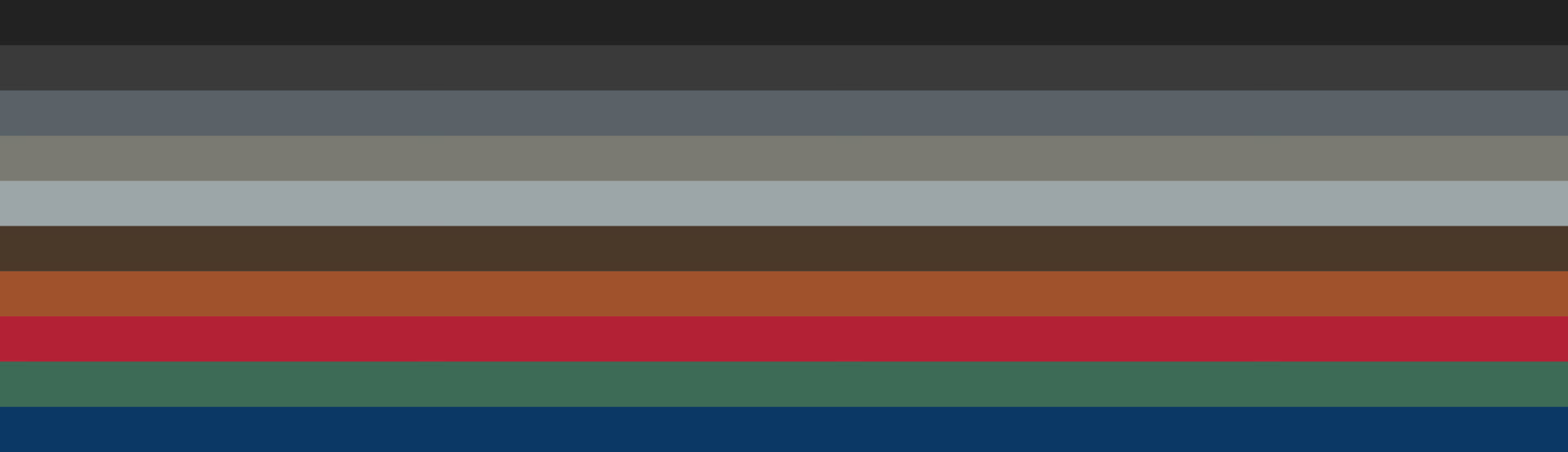
During your free on-site assessment, we bring physical color samples, not just paper swatches, and hold them against your brick, siding, stone, and trim under actual Nashville daylight. We talk through your neighborhood's typical palette, flag any HOA or historic overlay requirements, and explain how each finish performs in Middle Tennessee's heat and humidity. The goal is a color that looks right the day it goes on and still looks right a decade later.

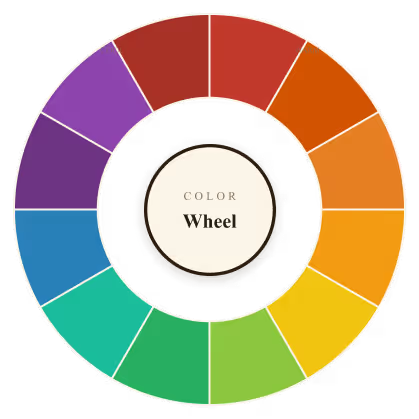
Warm hues — reds, oranges, yellows, warm browns. These advance visually, making surfaces feel closer and larger. Warm roof tones add weight and presence.
Cool hues — greens, blues, violets. These recede visually, making surfaces feel further away. Cool roof tones tend to lighten a home's visual mass.
Neutrals — grays, tans, browns with low saturation. The backbone of roof color. Neutrals carry undertones (warm or cool) that determine what they pair with.
When we talk about roof colors, we're usually talking about neutrals, but neutrals are never truly neutral. Every gray has an undertone: a faint lean toward blue, green, purple, yellow, or red that becomes visible when the color is placed next to siding, brick, or stone. A "cool gray" roof on a home with warm red brick can create tension, the two temperatures fight. A "warm gray" on the same brick feels harmonious, because both lean the same direction on the wheel. This is why two grays that look identical on a sample card can look completely different on two different houses: the surrounding materials reveal the undertone.

These grays lean yellow-brown. They pair naturally with warm brick, sandstone, cream siding, and natural wood. Most "bronze" and "mushroom" roof colors live here.

These grays lean blue-green. They pair naturally with cool-toned painted siding, blue-gray stone, white trim, and modern exteriors. "Slate" and "pewter" colors live here.
Color harmony describes the relationships between colors that tend to look balanced together. Three harmony types matter most for exterior design: analogous, complementary, and monochromatic. Each one produces a different visual effect, and the right choice depends on the home's architecture, the neighborhood context, and how bold or quiet you want the exterior to feel.
Colors that sit next to each other on the wheel. Creates a calm, cohesive look — warm browns to tans, or cool grays to slate blues. Most Nashville HOA palettes are analogous.
Colors across from each other on the wheel. Creates energy and contrast — a warm bronze roof over green shutters, or red brick under a slate-blue cap. Bold but balanced.
Variations of a single hue at different values. Dark charcoal roof, medium gray siding, light gray trim. Elegant, modern, and nearly impossible to get wrong. Very popular on contemporary builds.
The practical application of all this theory is simple: your roof color should share a temperature family with the dominant materials on your home. Warm brick, warm stone, warm wood? Choose a roof with warm undertones — dark bronze, musket gray, burnished slate. Cool painted siding, blue-gray stone, white trim? Choose a cool-leaning roof — slate gray, charcoal with blue undertone, or matte black. When temperature families align, the exterior reads as intentional. When they clash, even expensive materials can feel disjointed.
We bring these principles to your driveway. During your on-site assessment, we hold physical metal samples against your actual brick, siding, stone, and trim — in real Nashville daylight, at different times of day if needed. We'll walk through undertone matching, point out which harmony type your home naturally lends itself to, and help you narrow from forty options to two or three confident finalists. Color theory is our job. Your job is telling us what feels right.
PVDF (polyvinylidene fluoride) — sold under the trade names Kynar 500® and Hylar 5000® — is the premium standard for residential and architectural metal roofing. PVDF coatings use a fluoropolymer resin that resists UV degradation, chalking, and fading at a level no other architectural paint system matches. In Middle Tennessee's intense summer UV environment, this matters: a PVDF-coated panel will maintain its original color integrity for decades, while a lesser coating may begin to chalk and shift within a few years. PVDF finishes are available in smooth, low-gloss, and matte textures. Every standing seam panel we install carries a PVDF finish — it's the baseline, not an upgrade.
SMP (silicone-modified polyester) finishes are the standard on most exposed-fastener classic panels. SMP coatings perform well for the price point and are available in a broad color range, but they don't match PVDF for long-term fade resistance. For agricultural buildings, workshops, detached garages, and unconditioned outbuildings, SMP is a practical, cost-effective choice. For a primary residence — especially one visible from the street — we recommend PVDF.
Textured and 3D finishes add a micro-grain surface to the panel face. These finishes soften light reflection, hide minor surface irregularities (oil-canning, handling marks), and produce a more muted, organic look that works especially well on larger roof planes and in rural or historic settings. Textured finishes are available in a smaller color range but are worth considering for homes where glare, reflection, or panel flatness is a concern — common on west-facing slopes along Charlotte Pike and Harding Place that catch strong late-afternoon sun.
Many PVDF colors qualify as "cool roof" formulations — they incorporate infrared-reflective pigments that bounce solar heat even in darker shades. A cool-roof-rated dark bronze or charcoal can reflect meaningfully more solar energy than a standard dark paint, helping attics run cooler in July and August without forcing you into a color you don't want. We can identify which colors in your preferred palette carry cool-roof ratings and explain the real-world energy difference for your specific roof orientation.
Rural homes near open fields or wooded lots in areas like College Grove or Fair view tend to look best with muted, organic roof colors — moss green, dark brown, or soft charcoal. These tones settle into the natural backdrop without calling too much attention to the roof plane. In more urban neighborhoods where homes sit closer together and landscaping is more controlled, a bolder color might add useful contrast. The key is scale and setting: a large home on a wide lot can carry a deep or saturated tone without feeling heavy, while a compact structure in a tighter space may look better with lighter, airier tones that visually recede.

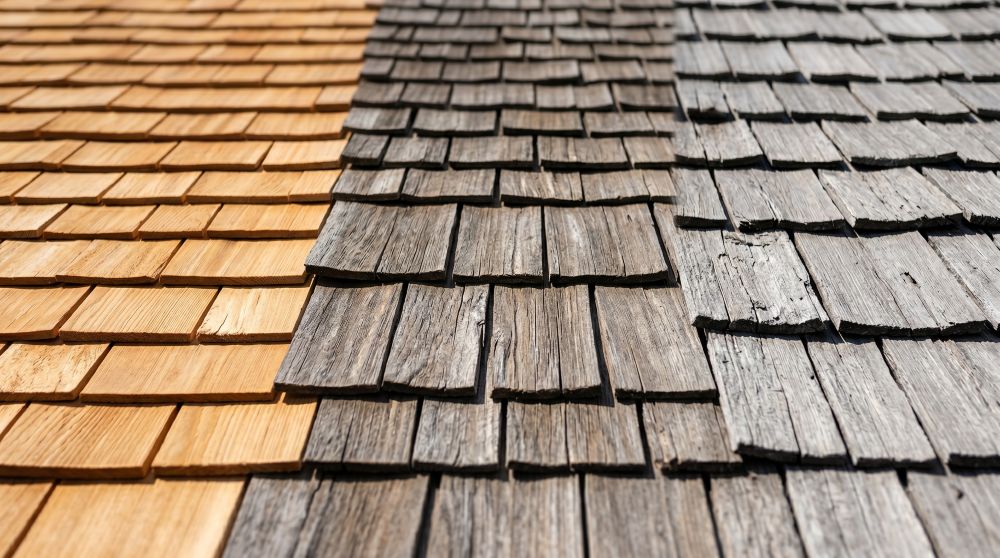
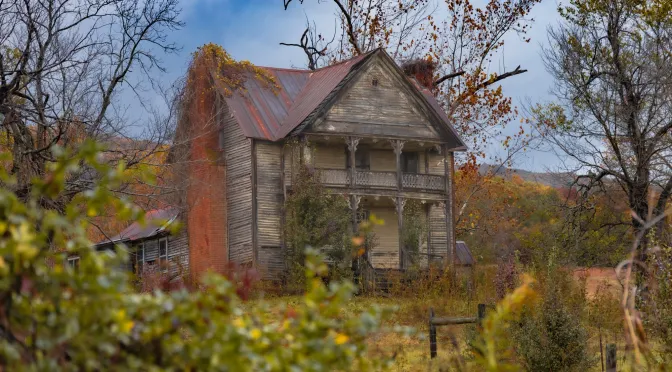
"The color of a roof was the color of the land it came from, cedar, oak, slate, or iron, each one a record of place and material." — Tennessee Vernacular Architecture Notes
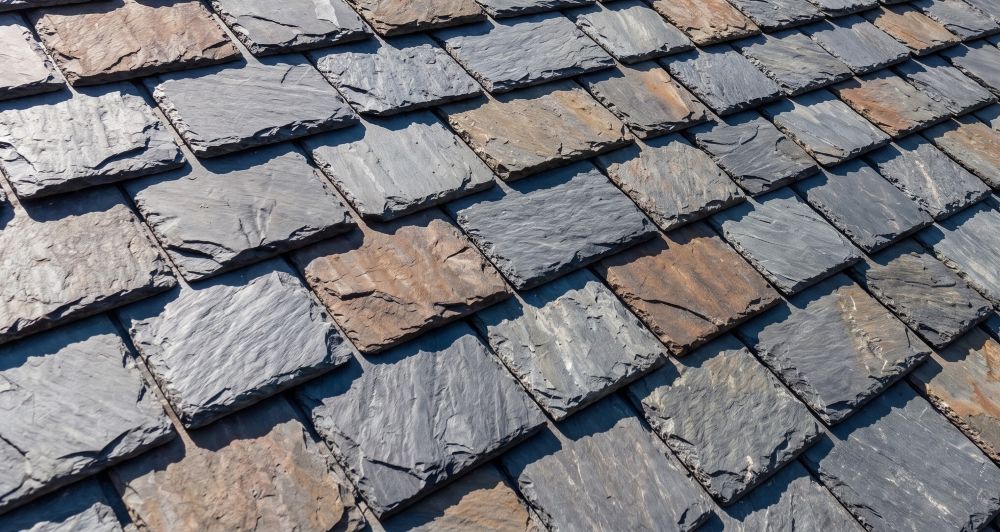

Before factory paint, every roof color was a geological fact. Cedar shakes came from the forests of the Highland Rim. Slate came from the metamorphic beds of the Appalachian chain. Iron oxide primer came from mines in Virginia and Alabama. Copper came from the Upper Peninsula of Michigan. For a hundred years, the color of a Tennessee roof was a map of where its materials originated, a record of trade routes, river commerce, and the industrial reach of the young nation.

Tin-coated iron arrived in the 1830s and 1840s, initially reserved for commercial buildings, churches, and public structures. The material was light, fire-resistant, and vastly easier to transport and install than slate, but it rusted quickly if left unprotected. Builders coated their tin roofs with whatever paint was available, and the cheapest option by far was red lead oxide primer: a dense, rust-red pigment made from lead and iron that resisted moisture and adhered well to metal. This primer was never intended as a finish color. It was protective chemistry. But because it covered every barn, depot, warehouse, and farmhouse in the region, red became the default color of metal roofing in Tennessee, a practical accident that hardened into a regional tradition still visible on every back road in Williamson, Maury, and Cheatham counties today.
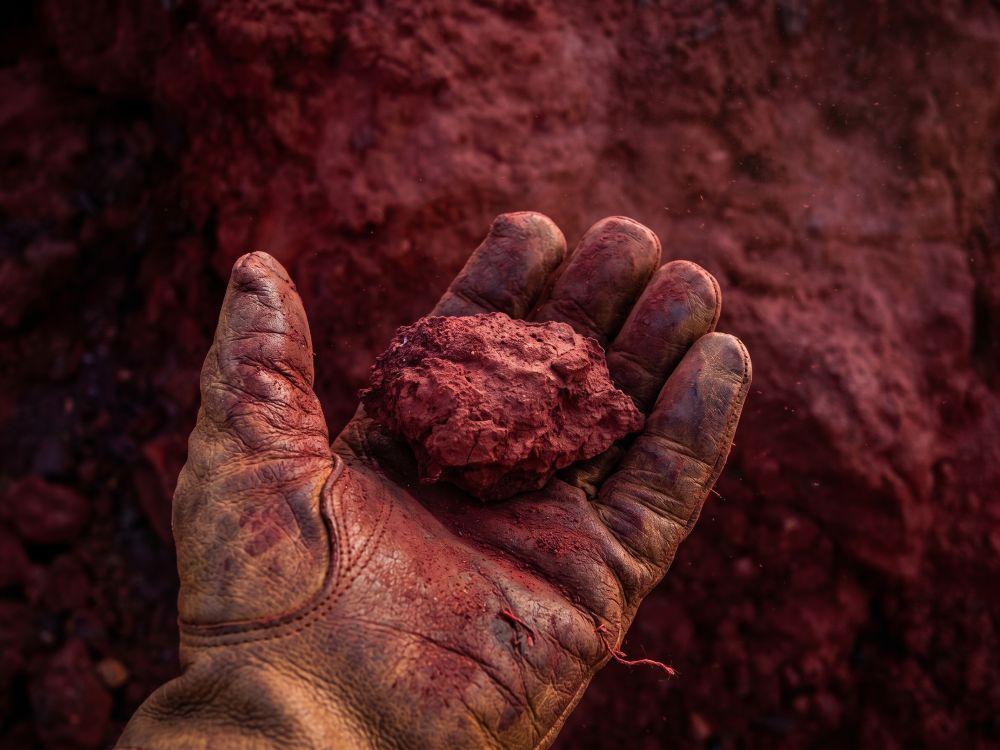
Red lead oxide was the cheapest, most widely available primer in 19th-century America. Farmers and homebuilders painted their metal and wood roofs red not for aesthetics but for rust prevention. A gallon of red lead cost a fraction of what white lead or linseed-based paints demanded, and it went on thick, sealing the seams of hand-crimped tin against Tennessee's spring rains. The color became so thoroughly associated with Tennessee barns and farmhouses that "barn red" persists as a standard metal roof color today, a direct descendant of a practical 1850s decision that no one made for beauty's sake.

The early 20th century brought standing seam tin and terne-coated steel to Nashville's grander neighborhoods. Terne, an alloy of lead and tin applied to steel sheet, was the premium metal roofing material of the era: more durable than pure tin, more affordable than copper, and self-patinating to a soft, silvery matte gray that photographers and architects loved. Homes in Belle Meade, built between 1910 and 1940, often featured soldered standing seam roofs finished in terne's natural gray or painted in a limited palette of dark greens, blacks, and slate tones that the material could hold. A roofer working on a Belle Meade Tudor in 1928 would have arrived with rolls of terne-coated steel, a soldering iron, and maybe three or four color options — every one of them muted, every one of them dark. These roofs were the predecessors of today's Galvalume standing seam — the same profile geometry, the same concealed-fastener logic, updated with modern alloy chemistry and a color palette fifty times broader.
Hand-rived cedar and white oak shakes. Colors determined by tree species, fresh tan aging to silver-gray. No paint, no choice, no commerce in roofing materials. The forest was the supply yard.
Wealthy Cumberland River families import Virginia and Pennsylvania slate via flatboat. Blue-gray, purple, and mottled green slabs appear on Federal-style homes. Roofing becomes a status marker for the first time.
Rolled tin-coated iron reaches Middle Tennessee via Chattanooga rolling mills. Red lead oxide primer becomes universal protective coating. The "red barn roof" tradition begins as an economic decision, not an aesthetic one.
Copper appears on Nashville's churches, courthouses, and finest residences, the Ryman, the Customs House, Belmont estates. Bright penny to chocolate to verdigris: copper's living patina becomes the marker of institutional permanence.
Soldered terne standing seam roofs appear on Tudors, Colonials, and Georgians in Nashville's wealthiest enclaves. Matte silver-gray patina becomes the prestige roof color. Three to four paint options, all muted, all dark.
Post-war suburban expansion establishes asphalt shingles as the default in Middle Tennessee. The neutral palette — weatherwood, driftwood, autumn blend, sets the baseline that HOAs and historic commissions still reference today.
Factory-coated Galvalume with PVDF (Kynar®) finishes enters the residential market. Forty-plus colors, thirty-year fade warranties, cool-roof pigments. Metal roofing goes from "rural" to "architectural" as Nashville homeowners rediscover the material their grandparents' homes were built with.
.avif)
COPPER PLANT KEWEENAW PENINSULA, MICHIGAN 1880
Copper appeared in Nashville primarily as accent material, dormer pans, bay window roofs, chimney crickets, and half-round gutters on churches, courthouses, and the finest residences in Germantown and Belmont. Copper's value in Tennessee architecture was never about economy; it was about permanence and the living patina that develops over decades, shifting from bright penny to warm chocolate to the distinctive blue-green verdigris that marks Nashville landmarks. The chemistry is straightforward, atmospheric sulfur and moisture slowly convert the copper surface from oxide to carbonate, but the visual result is anything but simple. A copper accent on a Nashville home connects a modern renovation to a material tradition that predates Tennessee statehood, and it changes color with the seasons, the weather, and the years in a way no factory paint can replicate.
The post-war suburban expansion brought asphalt shingles to dominance in Middle Tennessee, and for half a century, the typical Nashville roof was some variation of earth-toned asphalt, weatherwood, driftwood, charcoal, or "autumn blend." These colors weren't chosen for their beauty; they were chosen because they were available, affordable, and inoffensive. This era established the neutral, low-contrast roof palette that most HOAs and historic commissions still reference as their baseline today. When boards say they want a roof that "fits the neighborhood," they're usually describing the muted grays, browns, and slate tones that defined mid-century and late-century Nashville residential construction, a palette born of mass production, not of craft.
Modern factory-coated metal roofing, PVDF-finished Galvalume steel and aluminum with precision color matching, arrived in Tennessee's residential market in earnest during the 1990s and 2000s, initially on rural and lakeside homes where longevity mattered more than convention. As standing seam and metal shingle profiles matured, homeowners in Nashville's urban core began requesting them for renovations and new construction. Today, the palette has expanded dramatically — from the heritage-inspired charcoals, bronzes, and slate grays that echo Tennessee's tin and terne roots to contemporary matte blacks, weathered zincs, and copper-penny finishes that push architectural boundaries while respecting the region's visual DNA. The thread connecting 1790s cedar shakes to 2025 PVDF panels is tonal consistency: muted, earthy, site-responsive. The technology changes. The instinct doesn't.
From cedar shake silver to terne gray to modern charcoal PVDF, Tennessee's most enduring roof colors have always been muted, earthy, and site-responsive. The colors that pass HOA review most easily today, charcoal, dark bronze, slate gray, galvalume, are the same tonal family that has covered Nashville homes for two centuries. Understanding this lineage makes color selection easier: you're not picking a fashion color, you're joining a regional tradition that has roots deeper than the footings of the house itself.
By the time Nashville was chartered in 1806, the wealthiest homes along the Cumberland were importing slate from Virginia and Pennsylvania, dark blue-gray and mottled purple slabs that gave Federal and Georgian facades a formal, permanent crown. Slate was expensive, heavy, and required skilled installation, which made it a status marker as much as a building material. The colors available were dictated by geology: Pennsylvania slate ranged from deep blue-black to blue-gray; Virginia slate included reds, purples, and mottled greens that appeared on the most ambitious homes. A purple-gray Vermont slate roof on a Nashville house in 1820 told neighbors something specific about the owner's connections, tastes, and means, it was an architectural accent that traveled eight hundred miles by river and wagon to sit atop a Cumberland River bluff.
Established canopy neighborhoods with formal architecture. Low-gloss, heritage tones that read as "always been there." Matte or textured finishes preferred to minimize reflection under mature tree cover.
Mix of historic cottages and contemporary builds. Bolder choices work on modern additions; classic tones anchor renovations. Standing seam dominates new construction; copper accents on period details.
HOA boards here tend toward conservative palettes. Metal shingles in slate or cedar profiles pass more easily than standing seam. Neutral, low-gloss colors that coordinate with brick and stone facades.
Walkable, character-rich streets with bungalows and shotgun houses. Colors should complement painted wood siding and porch details. Historic overlay may apply — we handle submittal paperwork.
Open lots with full sun exposure. Lighter tones and cool-roof formulations help with energy performance. Less restrictive HOAs allow broader palette choices including galvalume and lighter grays.
Wide lots, open sky, and agricultural context. Classic panel in galvalume, barn red, or forest green honors the regional tradition. Standing seam in muted earth tones for modern farmhouse builds.

Nashville's charm comes with guidelines. We help you navigate HOA boards and historic overlays so your metal roof color earns fast approvals — and looks right at home

Physical samples — Not just paper chips. We submit actual metal color samples with PVDF (Kynar®) color codes, gloss readings, and manufacturer spec sheets.

Context photography — We photograph your home's façade, neighboring rooflines, and streetscape to show the review board exactly how the proposed color integrates.

Full palette coordination — We recommend complementary fascia, gutter, drip edge, and trim colors at the same time, so the submittal shows a complete, intentional exterior.

Revision handling — If the board pushes back on gloss, profile, or color, we adjust the submittal and resubmit on your behalf. Most approvals happen in one to two cycles.

Gloss level — Most boards reject high-gloss finishes. Low-sheen and matte PVDF colors pass at the highest rate. We default to low-gloss unless the home's style calls for something different.

Streetscape harmony — The proposed color should sit comfortably within the range of roof tones visible from the street. We survey neighboring homes and present comparable examples.

Profile discretion — Clean trim lines, low-profile ridge caps, discreet snow guards, and concealed fasteners. Boards want the roof to look finished, not industrial.
Documentation quality — A well-organized submittal with manufacturer data, color codes, and installation details signals professionalism and builds board confidence.
Universal · All boards

Modern · Low gloss
Historic · Traditional
Farmhouse · Cottage
Aged patina · Muted
Classic · Neutral
Accent · Living patina
We assess, photograph, and identify board color requirements
Physical samples held against your exterior under real daylight
Samples, specs, photos, and trim coordination assembled
We coordinate directly with the committee on your behalf
Green light — your install goes on our calendar
Sometimes, but the success rate drops quickly outside the neutral zone. Boards are most receptive to colors that already exist on neighboring rooflines — charcoal, dark bronze, slate gray. If you're set on a less common color like teal, royal blue, or barn red, we can make the case with context visuals and manufacturer documentation, but we'll be transparent about the likelihood. Our experience across hundreds of Nashville HOA submittals gives us a realistic read on what will and won't fly in your specific neighborhood — and we'd rather steer you toward a first-round approval than a prolonged revision cycle.

Choosing a roof color can feel overwhelming — forty-plus swatches, finish types, HOA requirements, undertone matching. That's exactly why we built a process that takes the guesswork out, step by step. Here's what happens when you call.
We would give them 10 stars if it were possible! The Metal Roofers are a reliable, detail oriented, friendly and family owned business with tons of skill and many years of experience. We had many challenges in dealing with our home owners insurance, but they worked with our adjusters and smoothed We start by listening. What's your home's style? What colors do you gravitate toward? Are there HOA restrictions? What does your siding, brick, or stone look like? This initial conversation helps us narrow from forty colors to a shortlist of eight to ten before we ever visit your property. We also identify any HOA, historic overlay, or architectural review requirements up front so nothing surprises us later. out the entire process. The work was completed on time, and their cleanup left no debris in our yard. We are extremely happy with the quality and overall new look of our brand new steel roof, and highly recommend The Metal Roofers for your next roofing repair or replacement. Don't waste your time with any other contractors! Thank you to The Metal Roofers!!!
We bring physical metal color samples — not paper chips, not digital renderings — and hold them directly against your brick, siding, stone, and trim under actual Nashville daylight. We check how colors read in morning light versus afternoon sun, from the street versus up close. We photograph the samples in context so you can review later. We also assess your roof's orientation, pitch, and shading to recommend finishes that will perform well visually and thermally on your specific home.
Based on the site visit, we deliver a complete exterior palette recommendation — not just the roof color, but coordinated fascia, gutter, drip edge, and trim colors. We explain why each element works together, reference the color theory and undertone principles discussed on this page, and flag any alternatives worth considering. If you're in an HOA, the recommendation is already structured for board submittal.
For homes in HOA-governed communities or historic overlay districts, we prepare and submit the architectural review packet on your behalf — including metal samples, manufacturer spec sheets, context photography, and a full color coordination document. If the board requests revisions, we handle those too. Most approvals happen within one to two review cycles.
Once you've approved the color and the board has signed off (if applicable), we confirm the final color code with the manufacturer and place the panel order. We verify the color against the original samples one more time when materials arrive on site — before a single panel goes on the roof. This last check catches the rare coil-to-coil variation that can occur in factory coating and ensures what goes on your house is exactly what you chose.

We bring real metal samples to your driveway, hold them against your brick and siding under Nashville daylight, and walk you through every option — undertones, finishes, HOA strategy, all of it. No pressure, no cost, no obligation. Just a clear path to the right color for your home.
Monday – Friday · 7:00 AM – 5:00 PM · Saturday by Appointment