Talk With A Metal Roof Expert
Call (615) 649-5002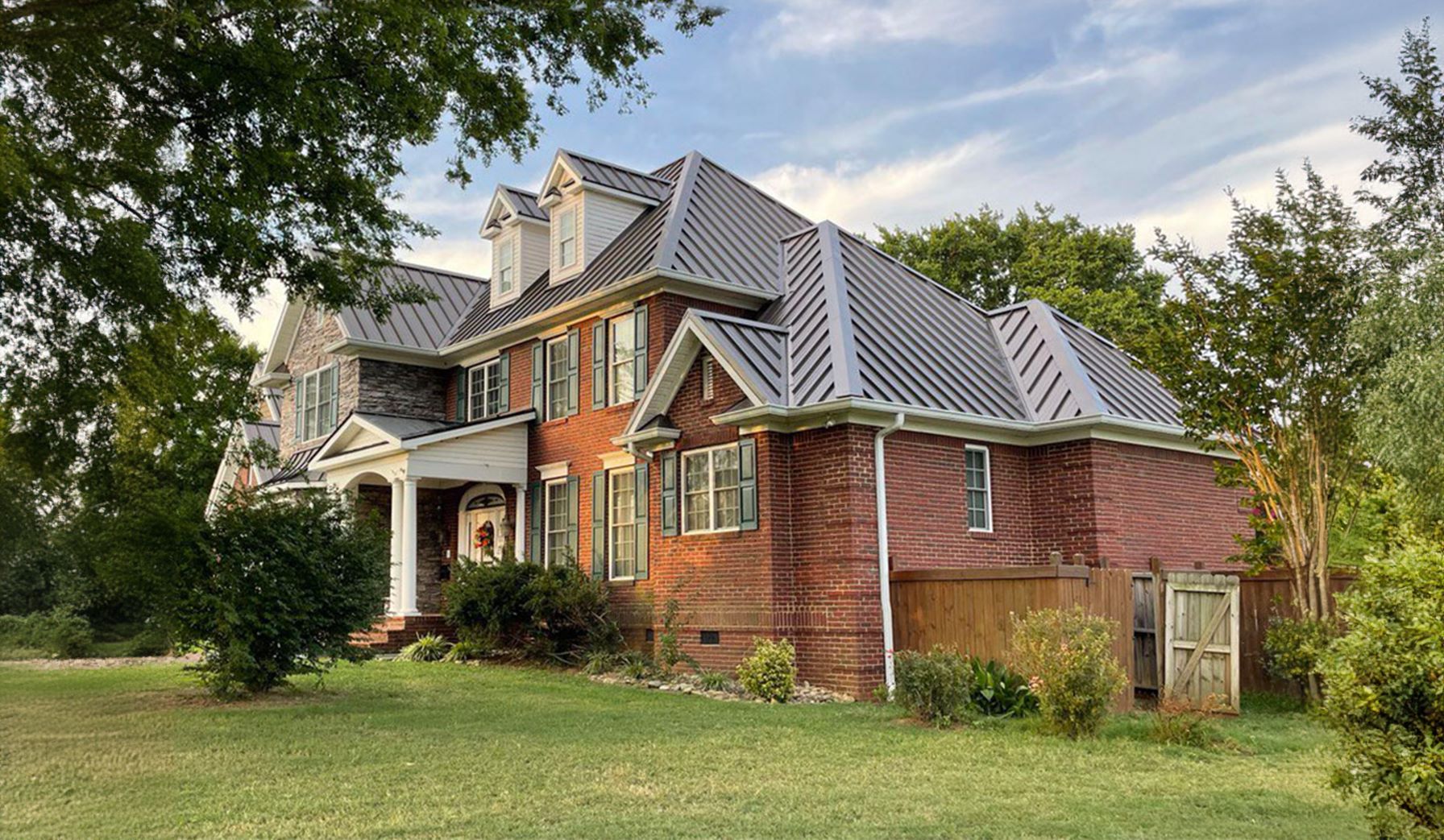


.avif)
-min.avif)



Metal roofing is an excellent option for homes in Kingston Springs, but only when installed with local conditions in mind. That means accounting for area humidity, frequent temperature shifts, and heavy rain tied to the Harpeth River corridor with proper ventilation, air sealing, and underlayment. When these elements are handled correctly, a metal roof performs consistently and predictably across Kingston Springs’ unique Cheatham County climate.
Kingston Springs experiences steady pressure on residential roofing systems due to long summer heat, sudden thunderstorms, heavy rainfall, and seasonal humidity. Homes near Downtown Kingston Springs and along Highway 70 see prolonged sun exposure, while properties closer to Harpeth River and Narrows of the Harpeth deal with higher moisture levels caused by tree cover, elevation changes, and nearby water.
.avif)
.avif)
A properly designed metal roofing system addresses these conditions through balanced intake and exhaust ventilation paired with high-performance underlayment. This setup helps stabilize attic temperatures, limit moisture accumulation, and protect the roof structure year-round. For homes near the Harpeth River, shaded streets off Old Kingston Road, or wooded lots near the Narrows, moisture control is one of the most valuable advantages of metal roofing when installed correctly.
Many Kingston Springs homeowners worry that metal roofs are loud during storms. In reality, when installed over solid decking with modern underlayment—common in Kingston Springs homes—metal roofing is no louder than asphalt shingles. Even during heavy rain or fast-moving weather systems, interior noise remains minimal. Beyond sound control, metal roofing improves indoor comfort by reflecting solar heat, helping homes stay cooler during peak summer months, especially in open areas along Highway 70.
.avif)
Roofs in and around Kingston Springs are shaped by steep hills, river bottom land, wooded lots, and commuter traffic along I 40. A quick look at where your home sits tells us a lot about how your metal system needs to be detailed.
Close to the heart of Kingston Springs, near the Harpeth River, downtown streets, and the small grid of houses around the park and old rail line, many roofs were framed before current underlayment and ventilation standards. They often share these traits:
When we tear off these older roofs, we frequently find:
In these river bend streets, the goal is to keep the character of the homes while upgrading the assembly behind the surface. Metal shingles that resemble slate or shake usually fit best. They maintain the steep, detailed rooflines that belong in downtown Kingston Springs while replacing a layered shingle history with one clean metal system.
Once you head up the hill from the river and out toward Pegram, Fairview, and the back roads that weave through the hollows, the roofs change. Here you often see:
On these hillside and hollow roofs we repeatedly see:
On this stock of roofs, standing seam and metal shingles both make sense, depending on how visible the roof is from the road and how cut up the geometry is. The real work is in mapping how hillside water actually moves in a storm, then rebuilding valleys, step downs, and lower roofs so the metal assembly has clean relief paths instead of catch points.
Closer to I 40, near interchanges and newer construction that serves commuters into Nashville and Fairview, roofs are more likely to be truss framed with OSB or plywood sheathing. These houses tend to have:
For these roofs, a Kingston Springs metal system has to deal with:
Standing seam usually fits these roofs very well, long straight panels that run with the framing and reduce the number of joints in heavy weather zones. In subdivisions that lean more traditional, metal shingles can be a better visual fit when every other roof on the street still shows a shingle pattern.
Outside the tighter in town streets, Kingston Springs roofs begin to look more like rural Cheatham County. Out along back roads toward Pegram, Ashland City line, Fairview line, and into wooded tracts, you often find:
These roofs live under heavier branches, in stronger wind, and near woods that drop debris in volume. When we design a metal roof plan for these properties we look at the entire layout:
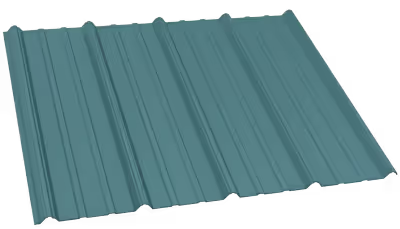
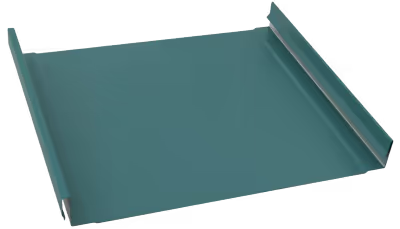
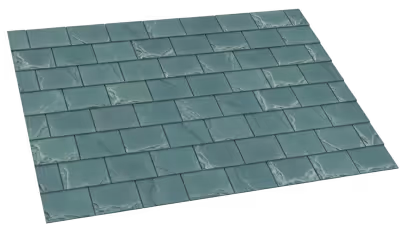
Metal roofing here is not one product. Standing seam, metal shingles, and ribbed metal each do different jobs well. We pick the system based on the house, the roof shape, and the site, not on a single template.
Standing seam uses long panels that lock together along raised ribs and hide the fasteners. The surface is clean and the roofline reads clearly from the road or at the end of a wooded driveway.
We tend to recommend standing seam in Kingston Springs when:
On a standing seam project we focus on:
Metal shingles are smaller pressed metal panels that interlock on all sides and fasten through hidden zones into the deck. From the street they read as slate, shake, or a defined shingle pattern instead of vertical ribs. They work well when:
On metal shingle roofs we pay close attention to layout, pattern alignment on visible faces, valley and hip detailing, and fastening zones so the roof looks calm and orderly and behaves as one continuous assembly.
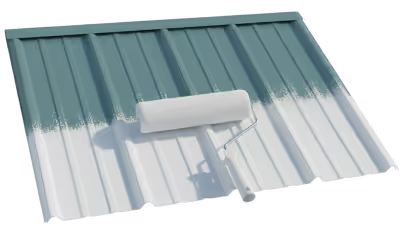
Ribbed, or classic, panels have raised ribs on a regular spacing and use exposed fasteners. In Kingston Springs and the surrounding county you see them on barns, sheds, small shops, and some simple homes. We suggest ribbed metal when:
Installed over the right base with underlayment, closure strips, and trim that ties back into the assembly, ribbed metal is a serious roof system for the buildings that keep a Kingston Springs property running.
Metal roofing usually becomes the right conversation in Kingston Springs when a few conditions come together.
The way the job runs matters, especially on narrow roads, steep driveways, and wooded lots. Our process follows a sequence that keeps you informed and keeps the property usable.
We begin with a visit to your home or property. During that visit we:
On the ground we plan how the job will live on your lot:
Next you receive a written scope explaining the metal roof assembly we recommend. It spells out:
The goal is for you to understand what is being built on your Kingston Springs home and why each piece is there.
When work begins, we remove existing roofing down to the deck. With the old layers gone, the real condition of the structure is visible. At this stage we:
This is the part of the work that actually decides how your metal roof will behave in Kingston Springs weather years from now.
Once the base assembly is ready, we install the metal system specified in your scope.
For standing seam roofs:
For metal shingle roofs:
For ribbed metal roofs:
Throughout installation, crews keep the site as organized as possible, gather scrap, and check for stray nails and screws.
At the end of the project we:
You receive documentation listing the systems and products installed, noting where each profile is used, and outlining your warranty coverage, including your written lifetime workmanship warranty for residential metal.
Kingston Springs roofs sit beside brick and siding, river trees, wooded ridges, small downtown storefronts, and open views down hollows. Metal color and profile should fit that picture now and still look intentional after years of sun and storms.
On many in town and near town homes:
On hillside and rural homes with stone, darker siding, or wood accents:
On older streets near downtown:
On larger acreages and mixed use properties:
In every case we recommend finishes with a strong record in Tennessee conditions, sun, humidity, freeze and thaw swings, hail, and repeating storm cycles, so the roof still looks right ten, twenty, and thirty years from now.
There is no single honest number that fits every Kingston Springs metal roof. Two roofs with similar square footage can require very different scopes of work.
Project cost depends on:
A one story house with a few clean planes and straightforward driveway access will sit toward the simpler end of the range. A taller home with dormers, complex valleys, tight access, and bundled work across several buildings will naturally require more time and material.
Most full metal roof replacements on single Kingston Springs homes take several working days on site once materials are staged and weather cooperates. Multi structure projects, significant deck repair, or more complicated layouts will take longer. Before you sign anything, you should see a written scope, a schedule based on your actual roof and lot, and a payment structure that matches the project.
For many homeowners it is more practical to spread the cost over time. We offer financing options for qualified Kingston Springs homeowners so you can build the assembly your property actually needs, including the less visible corrections and upgrades, instead of cutting the design down to fit a short term budget.
Installed on sound or repaired decking, with upgraded underlayment and a profile matched to your slope and exposure, a metal roof is a long term building component. Many Kingston Springs homeowners plan on a forty to sixty year service window for a properly built metal roof, with normal care such as trimming branches where possible, keeping gutters clear, and checking after major storms.
On a typical Kingston Springs house, no. The loud metal sound most people think of comes from open framed barns and sheds where rain hits a panel with only air behind it. A residential roof assembly has decking, underlayment, attic air, insulation, and ceilings between the panel and the room. Owners who move from shingles to metal on a proper assembly usually describe the rain as a different tone, not dramatically louder.
Metal roofing is only one part of your comfort and energy picture, but a correctly built metal roof assembly can help the house handle heat and humidity more predictably. Reflective finishes and appropriate colors can reduce how much heat the roof surface stores, continuous underlayment and sealed penetrations help control unwanted air paths, and balanced intake and exhaust ventilation give hot attic air a path out instead of letting it sit under the deck.
Building codes sometimes allow a metal roof over a single layer of shingles, but for most primary homes we recommend full tear off to the deck. Tear off lets us see and correct soft or poorly fastened sheathing, avoid trapping heat and moisture between layers on wooded and humid sites, and rebuild flashing at chimneys, walls, valleys, and tie ins as part of the new assembly. For certain outbuildings there may be cases where an overlay makes sense, and when that applies we explain where, how, and what tradeoffs come with that choice.
Some neighborhoods and local roads have informal or formal expectations around appearance, even if there is not a large HOA. That does not automatically rule out metal. Approvals and neighbor conversations usually go more smoothly when the proposed system looks appropriate for the area, for example metal shingles that resemble slate or shake, or standing seam in calm, non reflective colors, and when you can show clear product data, color samples, and photos of similar work. We regularly help owners assemble that information.
A properly specified and installed metal roof responds differently to hail and wind than asphalt shingles. Smaller hail often leaves cosmetic marks before any functional damage appears, and there are no granules to lose, so you do not see the same pattern of granule loss and early aging. In wind, standing seam and interlocking metal shingles are mechanically fastened to the deck or framing with defined clip or screw spacing, and edge trim is selected to meet uplift requirements for your exposure. After major hail or wind events, inspections are still wise so any damage can be documented and addressed.
Metal roofing is not completely maintenance free, but the upkeep is usually predictable. Over the life of the roof it is smart to trim back limbs that would otherwise scrape the surface, keep gutters and downspouts clear so water does not stand at eaves and valleys, look over the roof from the ground once or twice a year for anything that seems out of line, and schedule an inspection after major hail or wind if you suspect impact. Ribbed roofs with exposed fasteners also benefit from periodic checks and occasional replacement of screws and washers.
Yes. Many Kingston Springs and Cheatham County properties involve several roofs. We often design plans that use standing seam or metal shingles on the main home and ribbed structural panels on barns, shops, detached garages, and storage buildings, all in a coordinated color and trim package. Work can be completed in a single sequence or in planned stages while keeping materials and finishes consistent.
You get more than panels and screws. You get a company focused on full metal roof assemblies for Middle Tennessee, local crews who respect and protect your property, a written lifetime workmanship warranty on residential metal roofs, metal made in the United States with finishes chosen for this climate, a BBB A plus record, a 4.9 star Google rating, and more than one thousand completed metal roof installs across the state. Most importantly, you get a Kingston Springs metal roof designed for your house, your site, and your weather, from a team you can still reach years from now when you have a question.